Every place has stories
Some are well known, others almost forgotten. Here we share a few of the stories that shaped Falun and the region around it. These stories are also the inspiration behind many Falun Unlocked experiences.
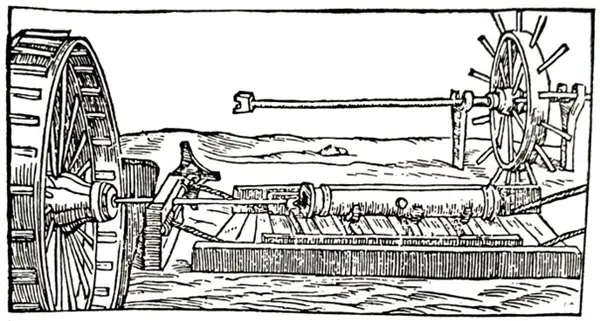
When cannons were cast in Falun
In August 1630 cannons were sent to Stockholm from a newly built foundry in what is today the centre of Falun. One of the people behind it was the merchant Peter Cahun, who only three years earlier had been made to give up his post as buyer for the Copper Company. The mine owners (bergsmän) had complained to the king that he was running copper deals of his own on the side. Now he had been trusted by the king to make cannons for the Swedish armed forces.
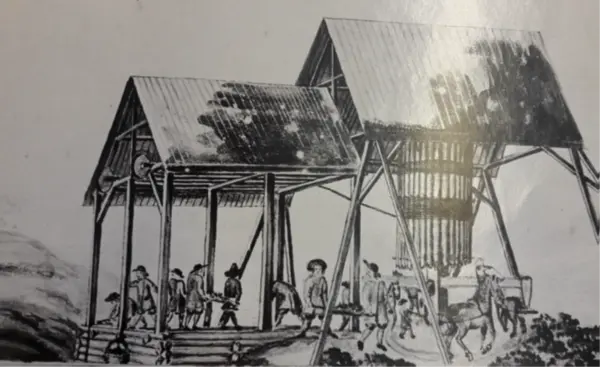
The horses at the Stora Kopparberg mine
Pony-sized horses were lowered down the shafts, lived in stables underground and drove the whims that lifted the ore. This is how horses were used in the Falun mine from the 1540s to 1815.
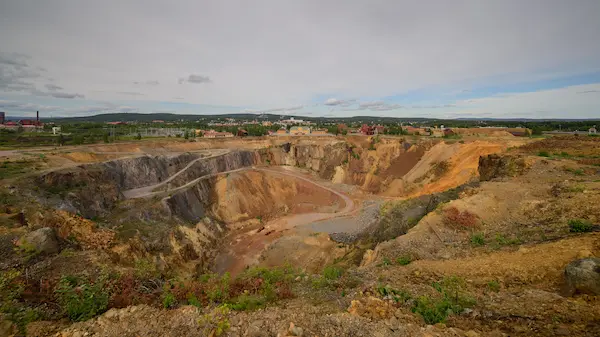
Stora Stöten: How a midsummer collapse shaped Falun forever
On 25 June 1687, three mine openings in Falun caved in to form a single giant pit. The cause was centuries of reckless mining. No one was killed. The collapse changed the town and the course of Sweden's history.
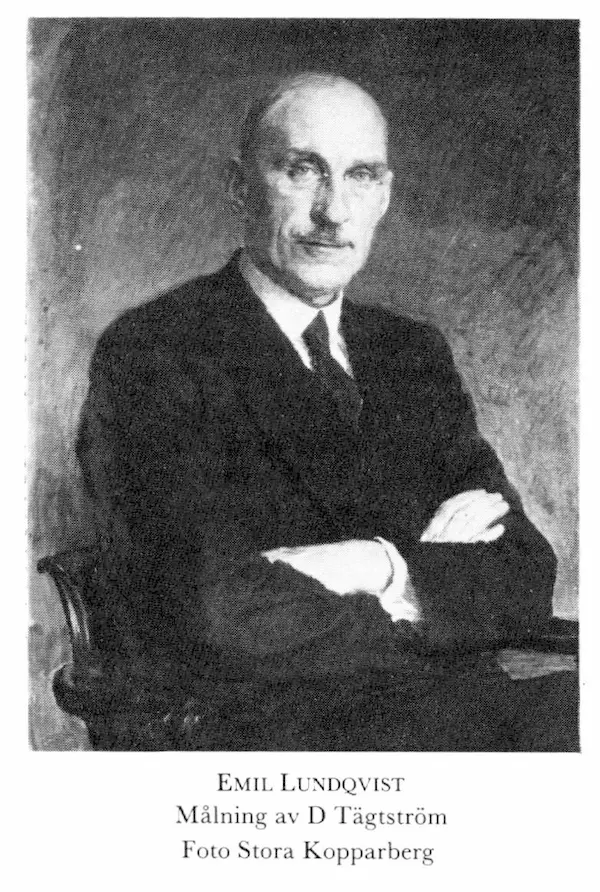
Emil Lundqvist: Sweden's first turnaround man
He saved ASEA, reconstructed Scania-Vabis and consolidated Stora Kopparberg. Emil Lundqvist was the man who could turn struggling companies around.
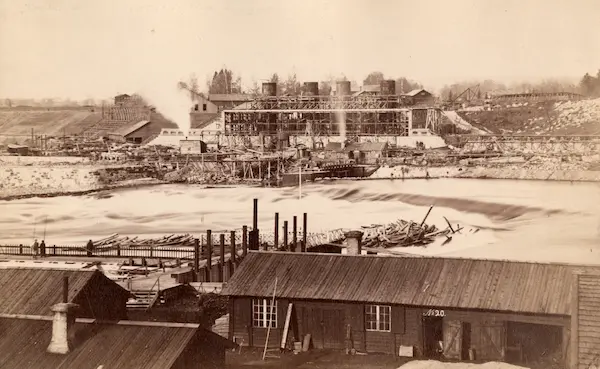
Domnarvet: The ironworks on the Dal River
The Domnarvet ironworks in Borlänge became one of Stora Kopparberg's most important assets and played a central role in the Swedish steel industry.

Forshuvud power station: A technical pioneer on the river
The power station above Borlänge was completed in 1921 and represented important technical innovations. Stora Kopparberg became one of the country's largest power producers.
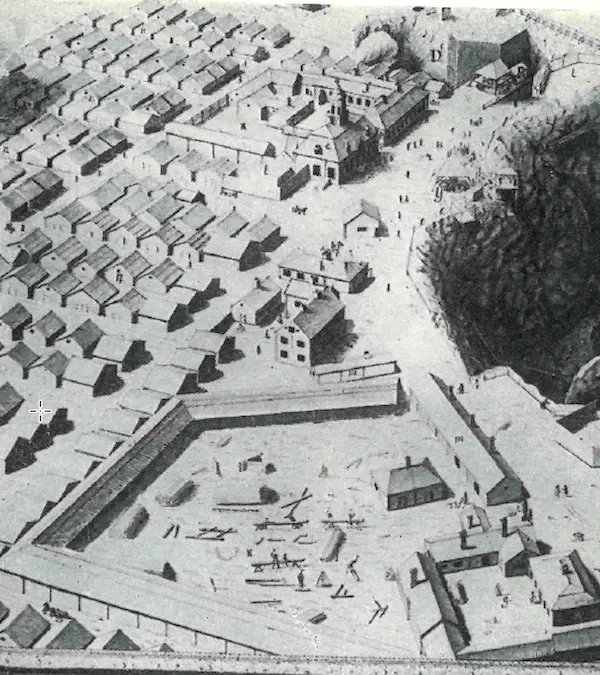
The house on Åsgatan, part 1: From mining master's homestead to storehouse yard
The plot on Åsgatan in Falun has a history stretching back to 1646. Before the current headquarters was built, a storehouse yard stood here until it burned down in 1761.
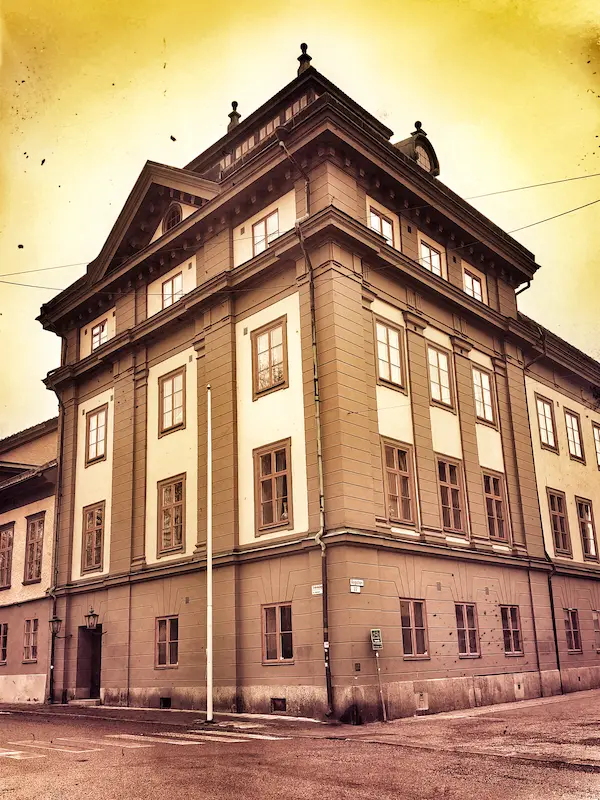
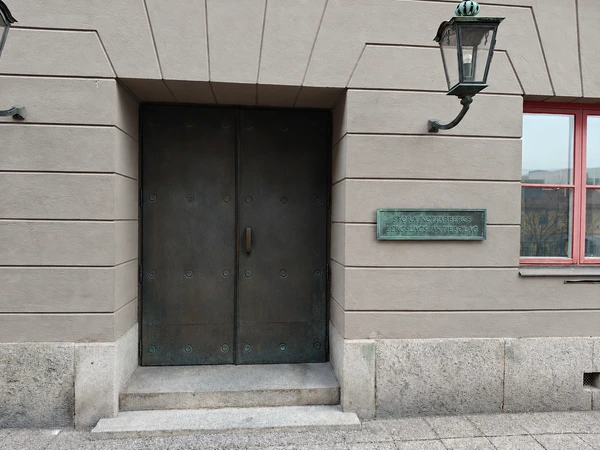
The house on Åsgatan, part 2: The stone building, the ballroom and the copper door
After the fire of 1761, a new stone office building rose on Åsgatan. Here the Bergslag Ballroom was created, Falun's grand hall. Here the copper door remains to this day.
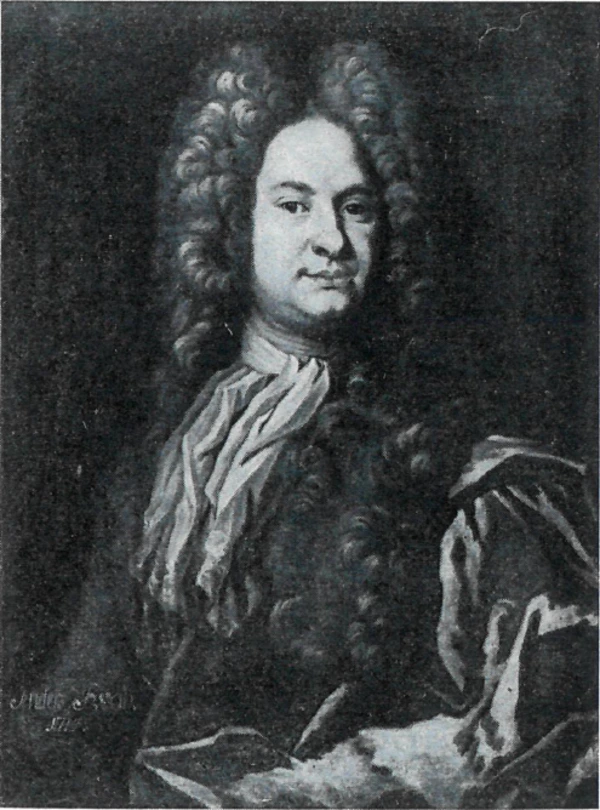
The house on Åsgatan, part 3: Inside the merchandise shop
The Mining Company's storehouse did not sell only rye and pork. Inside the merchandise shop lay East Indian silk, English shoes and Dutch linen. That was where the dispute began.
The house on Åsgatan, part 4: The storehouse as more than a shop
The Mining Company's storehouse was not only a shop. It was the workplace's pay office, a social institution where wages were drawn in goods and debts could be written off.
The geology of Kopparberget: The volcano that created Sweden's wealth
Nearly two billion years ago, volcanic activity created the copper deposit that would make Sweden a great power.
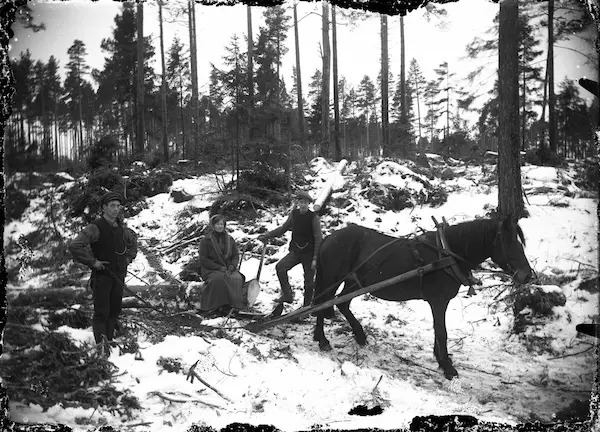
The horse in the forest: When logging ran on horsepower
As late as 1960, the horse still played a central role in Swedish forestry. A glimpse of the era before chainsaws and logging machines took over.
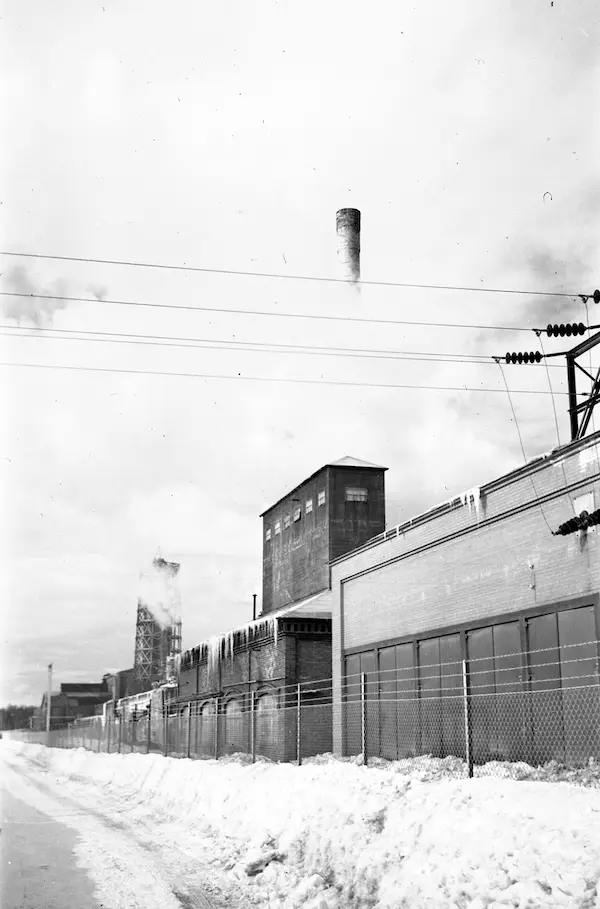
The Skutskär laboratory: A pioneer in Swedish industrial research
In 1903, Stora Kopparberg established a laboratory at Skutskär, an early and groundbreaking research environment in the Swedish cellulose industry.
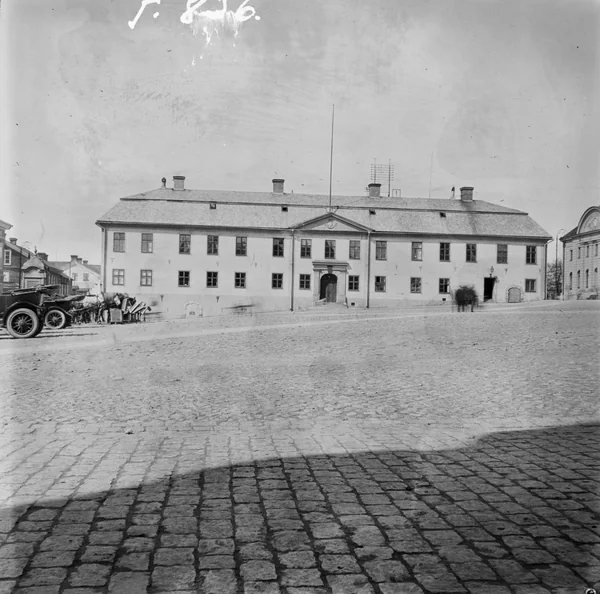
Falun's town hall: The tavern, the dungeon and the queen's grain warehouse
Witch trials, jailbreaks, executioners and a town cellar with 'unusually large' liquor sales. The story of Falun's town hall.
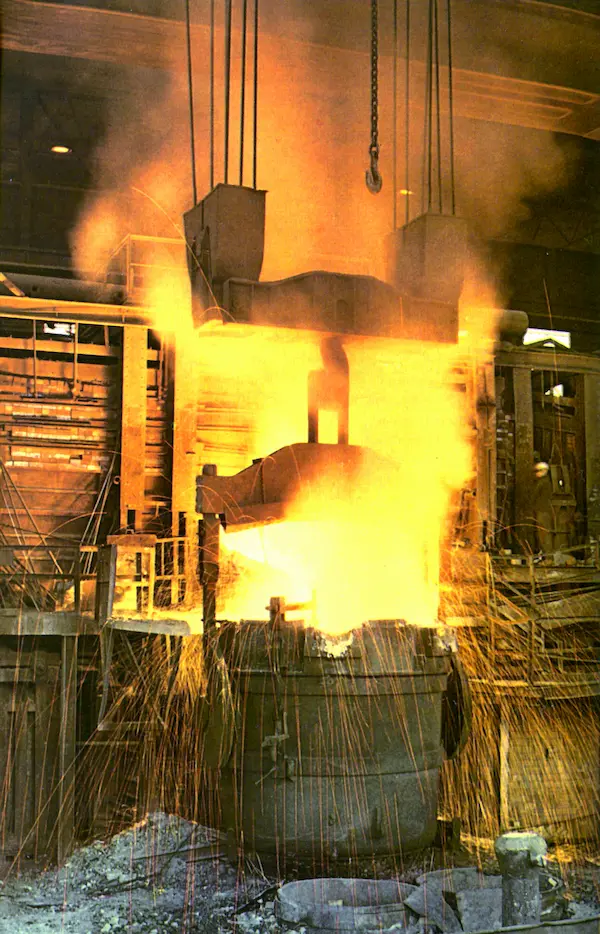
The Kaldo process: Swedish innovation in steelmaking
In the 1950s, Stora Kopparberg developed a new method for producing steel using pure oxygen. A Swedish innovation that attracted international attention.
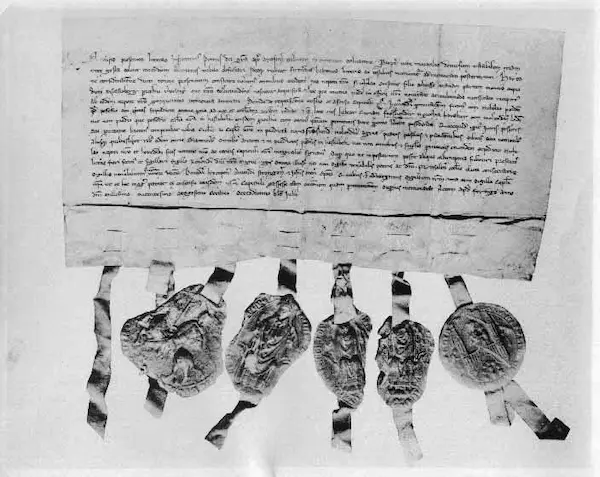
The world's oldest corporation: The exchange letter of 1288
An exchange letter from 1288, in which Bishop Peter of Västerås transferred an eighth of the copper mountain, is the oldest known share document in the world.
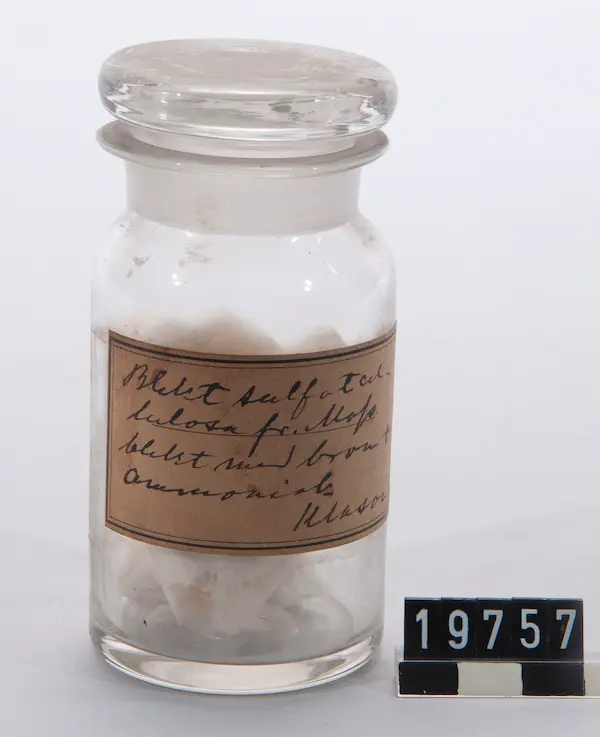
STORA 32: The sulphate pulp the researchers created
In the 1930s, Stora Kopparberg's researchers developed STORA 32, a bleached sulphate pulp that would come to be described as a milestone in the history of pulp manufacturing.
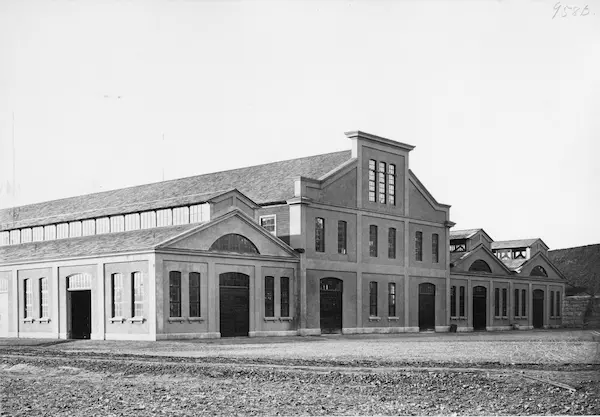
The steel crisis of the 1970s: When Stora Kopparberg left steel behind
During the 1970s, Stora Kopparberg was fundamentally reshaped. The steel crisis led the company to divest much of its steel operations and strengthen its focus on forestry and paper.
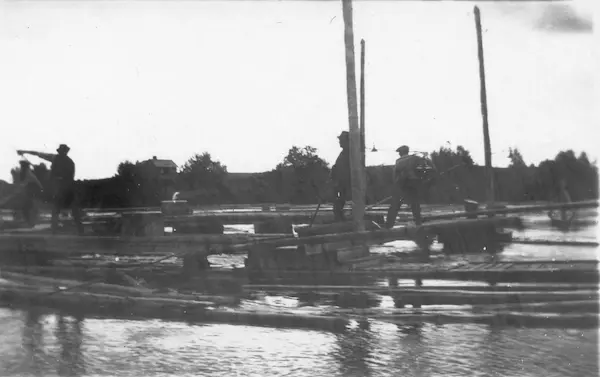
When the Dal River was a log-driving route
At its peak, over 20 million logs a year were floated down the Dal River. In 1970, log driving came to an end.
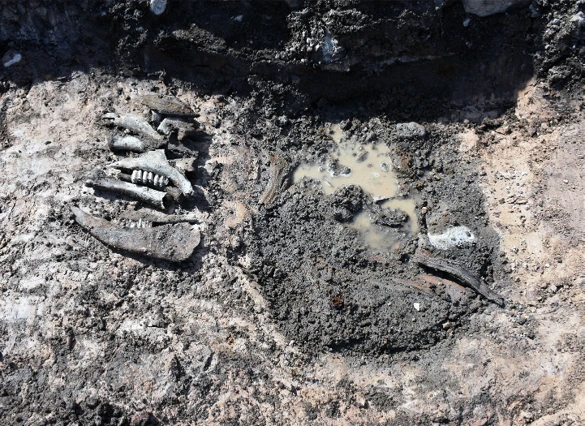
The Posten quarter: Archaeology on Åsen
Beneath the car park behind the headmaster's residence lay 400 years of Falun's history. Butchery waste, copper cauldrons, swastika-carved posts and traces of a town that had not yet found its grid.
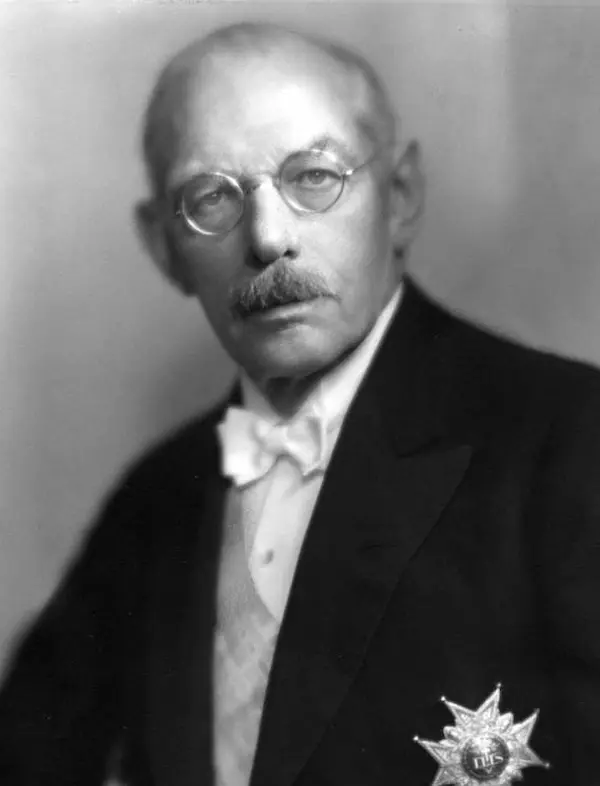
Marcus Wallenberg and the 1916 reorganisation
When Erik Johan Ljungberg died in 1915, Stora Kopparberg entered a period of transition. The following year, Marcus Wallenberg took over as chairman of the board.
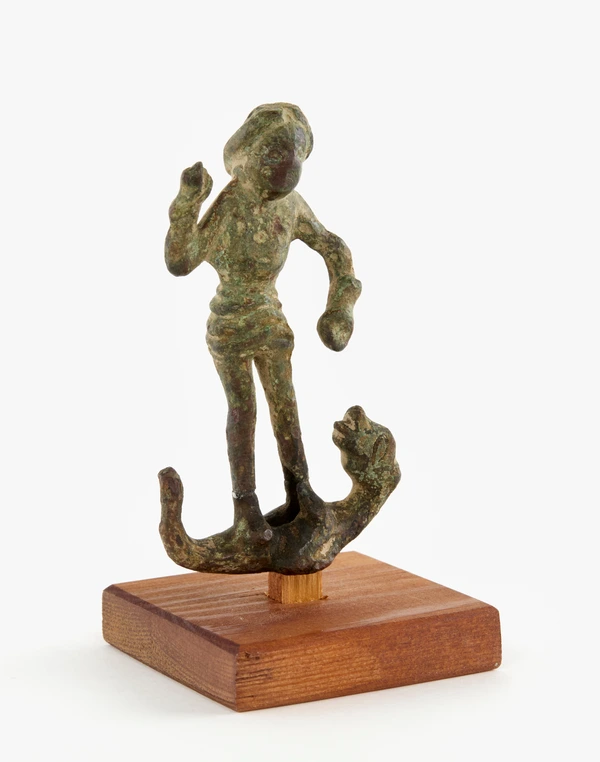
The guild of Saint George: Kopparberget's social safety net
In the 1400s, Falun had its own guild. It served as insurance company, party committee and semi-military organization rolled into one. The rules for what happened at the feasts are telling.
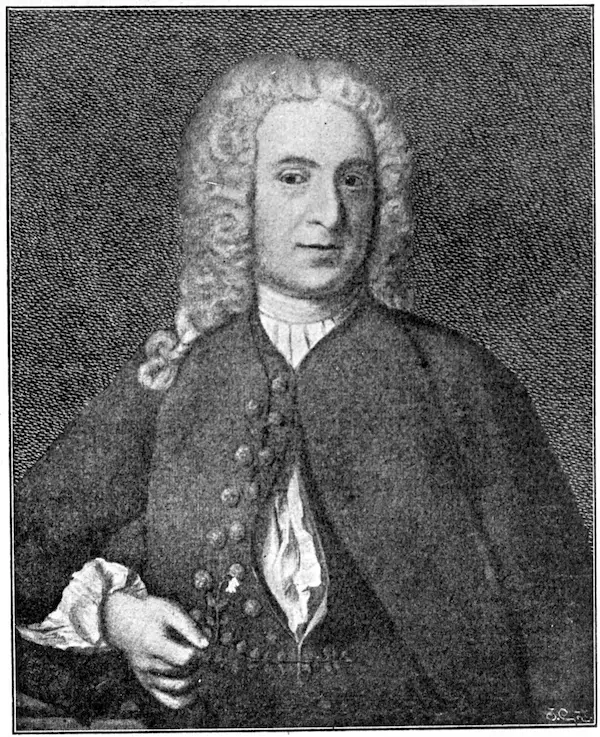
Linnaeus in Falun: A naturalist underground
When Carl von Linné visited the Falun mine during his Dalarna journey in 1734, he described it in words reminiscent of hell. His account paints a vivid picture of the 18th-century mining environment.
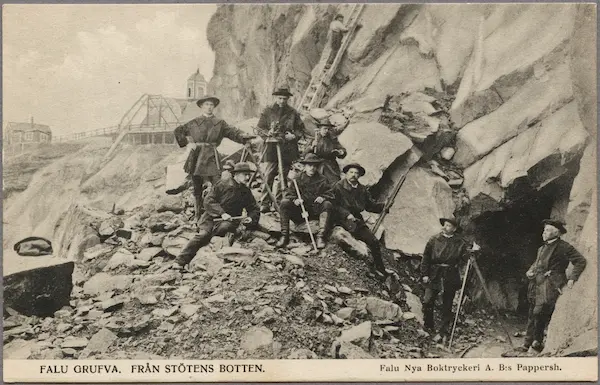
The miners' daily life: Life underground
Dangerous, dark and gruelling. This was everyday life for the men who mined copper in Falun, Europe's most important industrial site.