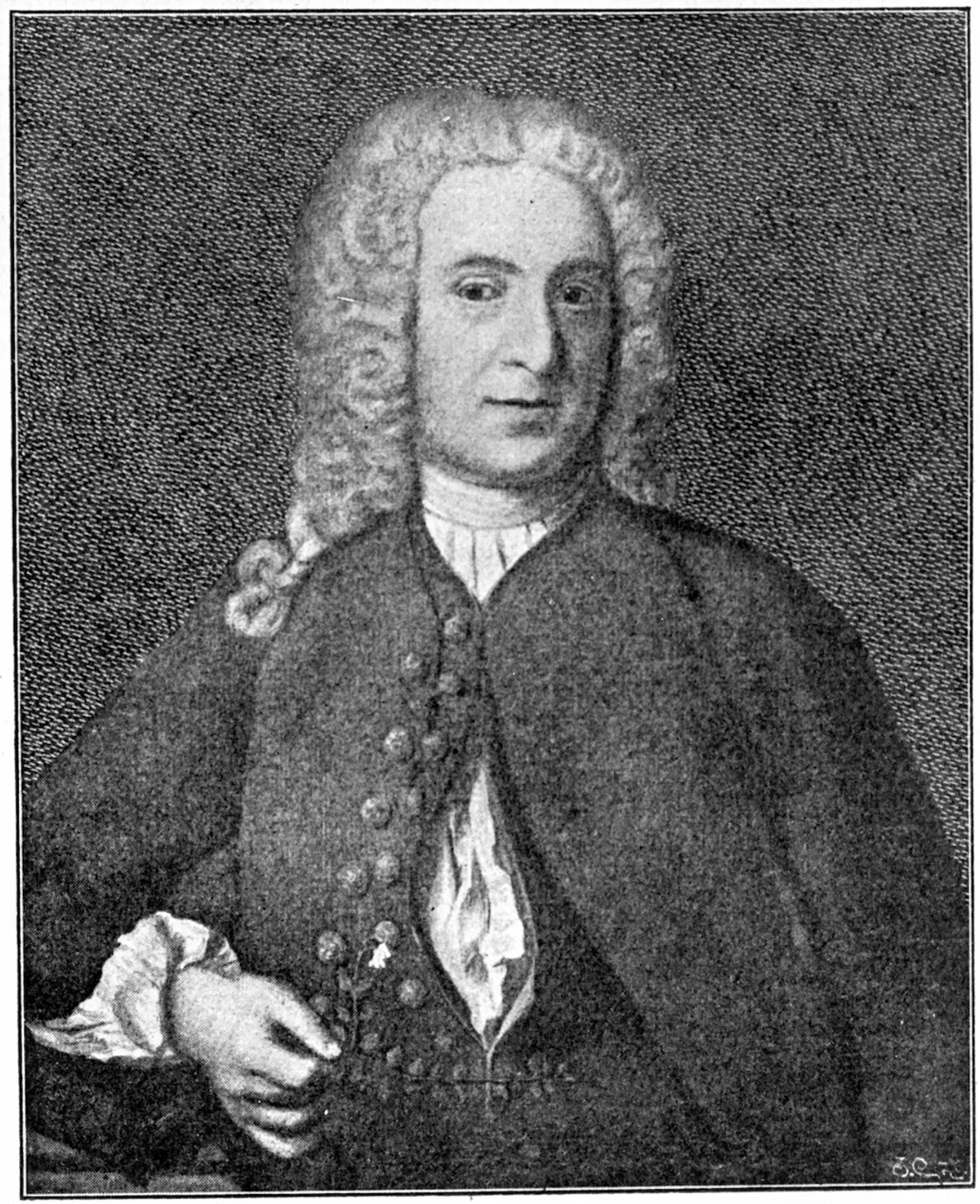
Carl von Linné is best known for his studies of plants, animals and the order of nature. But when he visited the Falun copper mine during his Dalarna journey in 1734, he wrote in a manner quite unlike much of his other travel writing. The mine made a powerful impression on him.
The antechamber of hell
Linné's account of the Falun mine is among the most dramatic passages in his Dalarna travel journal. He compared the mine to both the underworld and hell itself. In his description, he wrote that no poet could have depicted Styx, Regnum Subterraneum or Pluto's realm and no theologian hell, as terribly as it appeared here.
He wrote of the stinging sulphur smoke, the darkness, the heat and the cramped passages and described the miners as "shunning the light" and "like devils, black labourers". It is an account that reveals just how deep an impression the mine made on him.
A scientist's gaze
At the same time, Linné was in Falun as a scientist. His Dalarna journey was not merely a trip through the landscape but also an investigation of nature, livelihoods and living conditions. The mine therefore fitted well into his interest in how natural resources were used and what significance they held for society.
His visit to Falun shows that 18th-century natural science was not only about plants and animals, but also about minerals, mining and the environments where people extracted the earth's resources.
Linné's Falun
Falun also came to matter to Linné on a more personal level. It was here that he met Sara Elisabeth Moraea, daughter of the town physician Johan Moraeus. She later became his wife.
In this way, Falun became a place of great significance for Linné, both scientifically and personally. Today it is still possible to visit the mine and imagine the impression it must have made on a young naturalist in 1734.