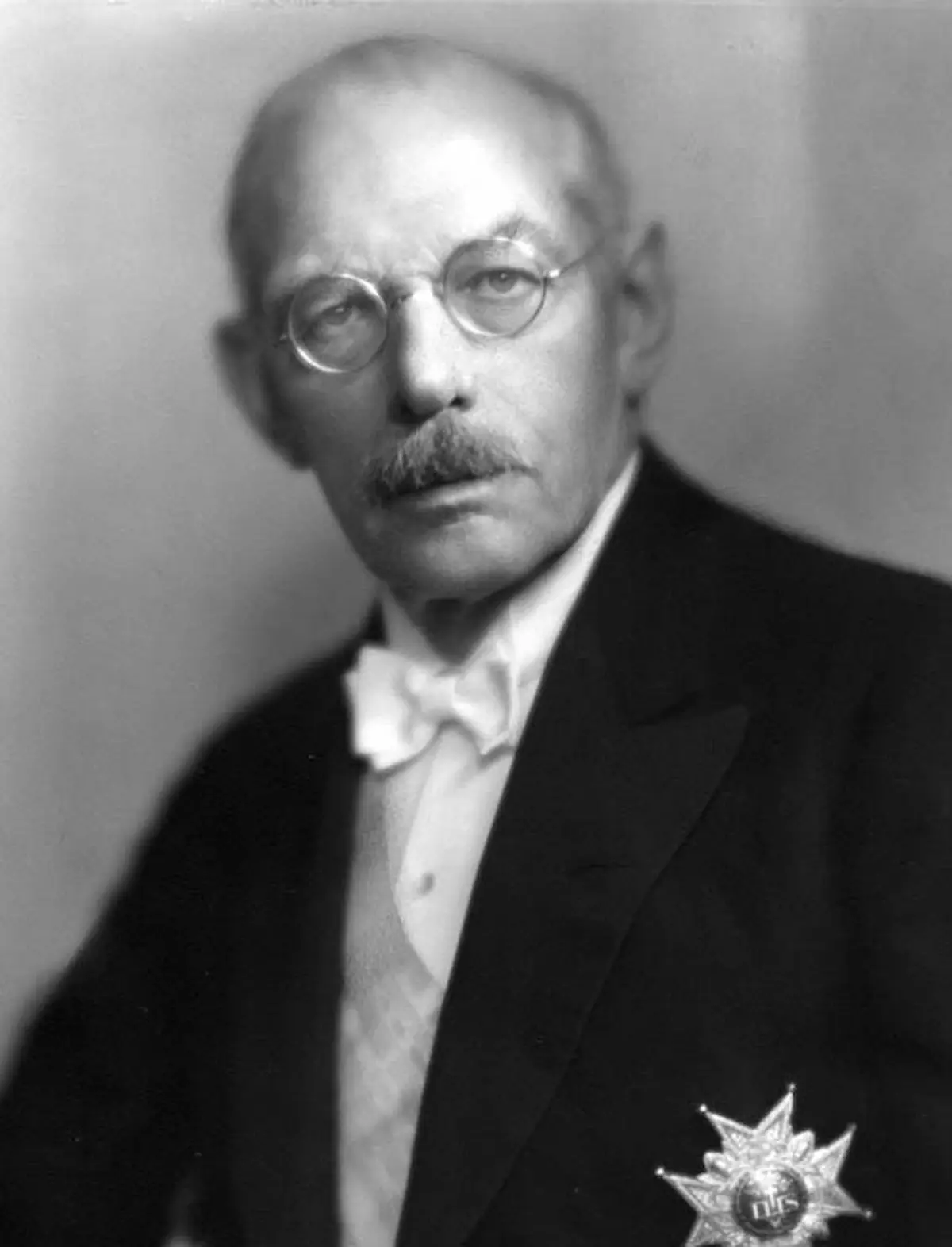
In 1915, Erik Johan Ljungberg died. He had led Stora Kopparberg for forty years, first as managing director and later as chairman of the board. For decades, the company had been shaped by his personal leadership. When he passed away, the need for a clearer and more modern organisation became more apparent.
A Wallenberg takes the chair
In 1916, Marcus Wallenberg became chairman of the board. It marked the beginning of a long period of strong Wallenberg presence in the company. Over the following decades, the family would play an important role in Stora Kopparberg's development.
Marcus Wallenberg entered the company with a clear focus on structure, governance and long-term thinking. The transition after Ljungberg was not simply about replacing one person, but about adapting the company to a more modern form of management where responsibilities and decision-making became less tied to a single individual.
The recruitment of Emil Lundqvist
An important step came in 1923, when Emil Lundqvist took over the leadership of Stora Kopparberg. He was already an experienced industrial leader with a background at ASEA, Scania-Vabis and Kopparbergs & Hofors sågverks AB, among others.
Lundqvist would come to have great significance for the company's continued development during the interwar period. His leadership style is often described as calm, methodical and cautious, which suited a company transitioning from an older, more personality-driven model to a more organised corporate structure.
From personal leadership to modern governance
The change after Ljungberg's death was therefore greater than an ordinary change at the top. It marked a transition from a company that had long been shaped by a very strong leader to one where the organisation itself gained greater importance.
It was a development in line with how many larger industrial companies were changing in the early 20th century. In Stora Kopparberg's case, it was particularly evident because Ljungberg's position had been so unusually strong for so long.