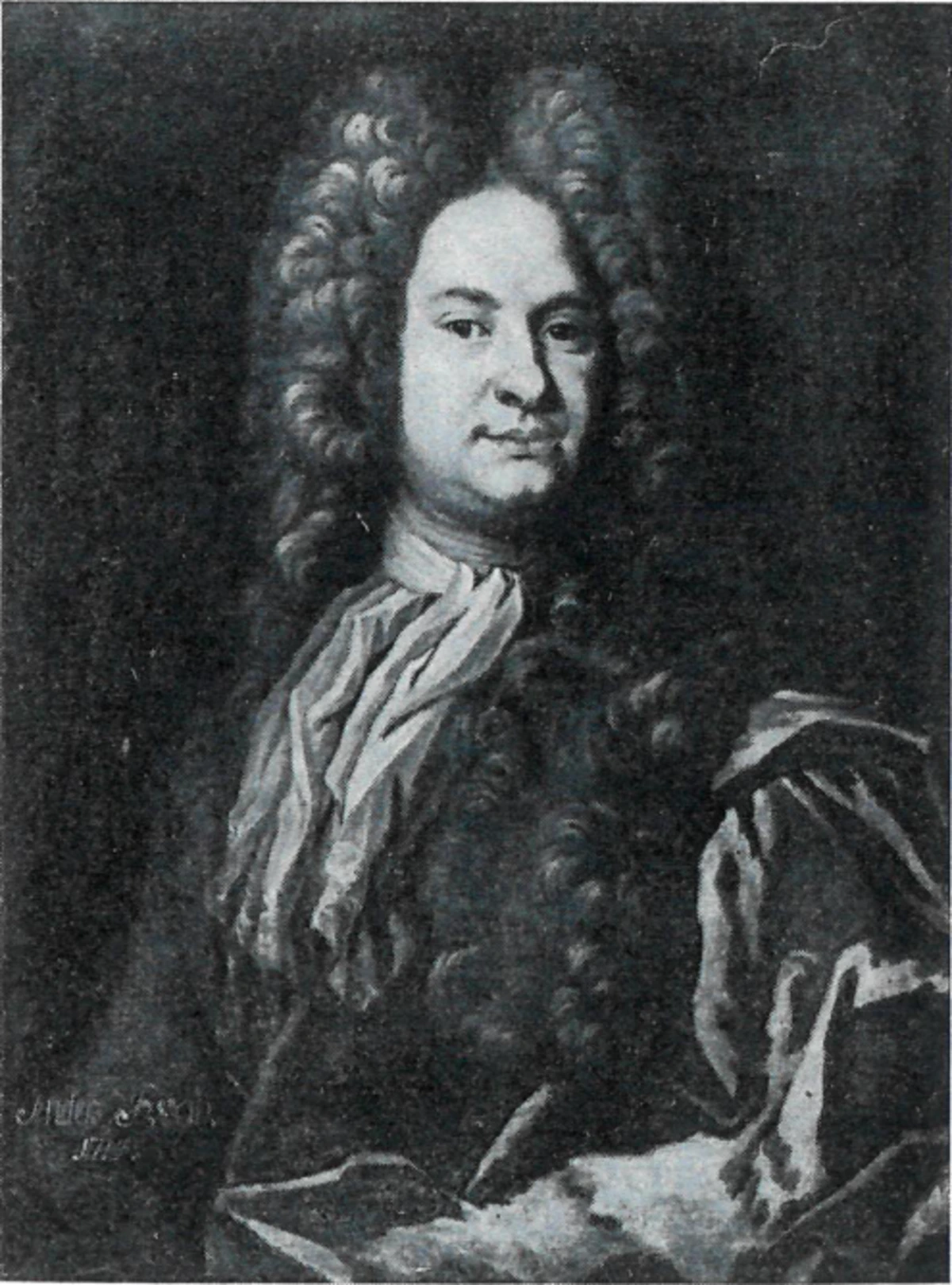
Behind the gate on Åsgatan, in a red-painted house that assessor Anders Swab had built himself, lay in the 1720s one of Falun's most controversial shops. Officially it was called Bergslagens krambod, the Mining Company's merchandise shop. It was run by Zachris Zachrisson, son of one mayor and brother-in-law of another, with his son and a shop apprentice to help him.
Say you walk in on a March day in 1722. The smell is the first thing you notice: tobacco, tar, wool, something sweeter further in. The shelves are full. Nearest the entrance lies what you would expect: coarse woollen cloth, blankets, quilts, woollen stockings, hats. These are goods intended for the miners and mining men, payable against deductions from their wages.
But walk further into the shop and something else starts to appear. Cloths of linen and cotton. Silk neckerchiefs from the East Indies. Silk gloves. Silk caps. On one shelf stand mirrors and face powder. By the counter are green tea, coffee, raisins, prunes. On the floor stand 255 pairs of English men's shoes, delivered by the Mining Company's commissioner in Stockholm last September, at 8 daler kopparmynt per pair. Swedish-made shoes cost four to five.
What is "kram"?
The word can be confusing for a modern reader. Kram did not mean knick-knacks or trinkets. In 18th-century commercial language, kram was the term for manufactured goods, factory-made textiles and small-scale consumer items. Cloths, yarns, ribbons and lace. Hats, stockings, gloves, caps. Glassware, small ironware, imported colonial goods.
A krambod was therefore a kind of combination of fabric shop, clothing store and delicatessen counter, usually with a mixed selection of imported and Swedish goods. And it was precisely this range and this luxury that became the problem.
Why so disputed?
The storehouse had been established to supply the miners with cheap provisions. Rye, barley, salt, pork. On that purpose most could agree, even the burgher merchants. But when Zachris Zachrisson took over in 1721, the assortment expanded quickly. The storehouse's main ledger for 1722 shows that a substantial portion of the inventory now catered to a different customer base than the Mining Company's working people in any real sense.
The burghers protested. The storehouse competed directly with their merchandise trade, and with tax advantages, state support and cheap premises. The purchases were moreover financed in part through funds actually earmarked for the mining operation. When the royal commission of 1724 audited the accounts, it was discovered that 30,000 daler kopparmynt of a bank assignment of 100,000, money intended for "the continuation of the Mining work", had instead been spent on Dutch linen (fine bleached linen cloth from Haarlem, one of the era's most expensive fashion fabrics) and other less necessary things. Privy councillor Sven Lagerberg expressed his displeasure.
The commission decided that the merchandise trade should be curtailed. The following year, the Mining College ordered that Zachrisson should resign and his salary be withdrawn. None of this was carried out during Swab's lifetime. The merchandise shop continued its operation, the inventory was replenished annually and English shoes and East Indian silk lay on the shelves well into the 1750s.
By then demand had begun to fall. The Mining Company's new mining master Samuel Troili complained that the storehouse's trade now consisted mostly of credit extended to "wretched payers". In 1757, the remaining merchandise stock was distributed in 75 equal lots among the mine shareholders.
Read part 4: On the storehouse as more than a shop, the wages paid in goods, the storehouse obligation and the debts that were never collected.